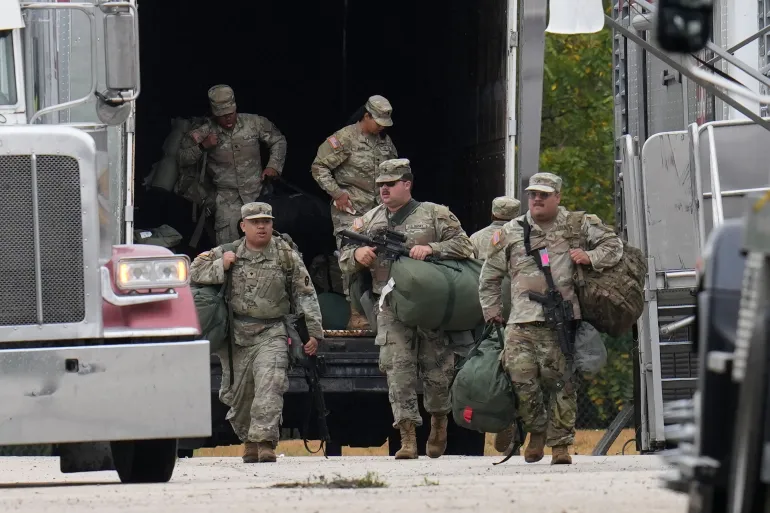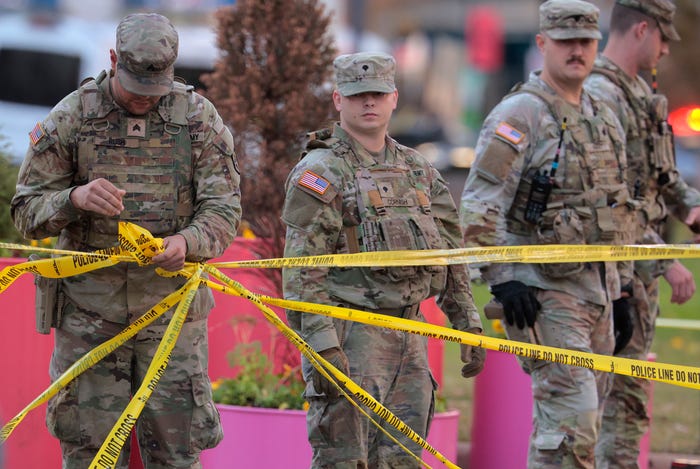
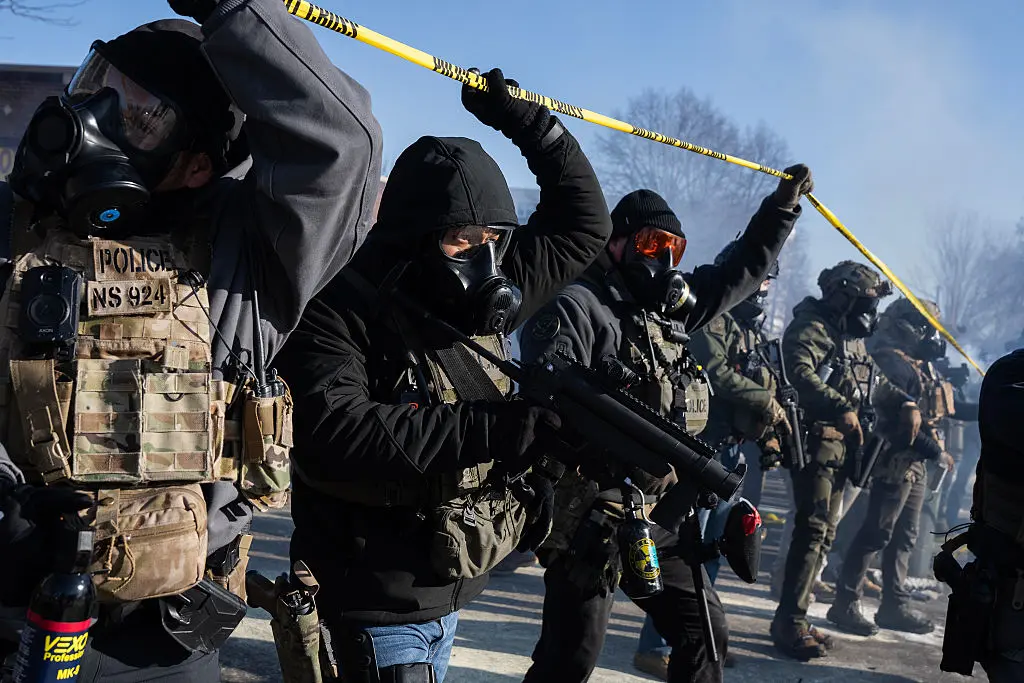
Operation Metro Surge is the Trump administration’s large-scale immigration enforcement deployment to Minneapolis and across Minnesota that began in late 2025. About 4,000 federal immigration agents were sent to the state. The administration says the operation targets people with deportation orders and serious criminal histories. Minnesota officials argue the scale is extreme, legally questionable, and damaging to civil liberties and local stability.
The operation has led to two fatal shootings of U.S. citizens, major protests, economic disruption, and ongoing federal court battles.
The two fatal shootings
Renée Good, January 7, 2026
Renée Good was a 37 year old U.S. citizen, a mother of three, and a longtime Minneapolis resident. She was shot and killed by ICE agent Jonathan Ross during an early-morning enforcement operation outside her apartment building. Federal officials stated that Good attempted to flee in her car, struck Ross with the vehicle, and used it as a weapon, creating an imminent threat that justified lethal force.
Video footage and later reconstructions dispute important parts of that account. Analysts reviewing the footage agree the agent was contacted by the vehicle, but argue the collision was glancing, occurred as the car was turning away, and did not place the agent directly in the path of the vehicle at the moment he fired. The agent fired multiple shots into the side of the car after the initial impact. Minnesota officials say state investigators were barred from the scene, denied access to evidence, and excluded from witness interviews. The federal government retained full control of the investigation.
Legally, the unresolved issue is whether Ross’s belief that he faced an immediate deadly threat was reasonable at the moment he fired, even if the vehicle had already passed him. No court has ruled on that question.
Alex Pretti, January 24 to 25, 2026
Alex Pretti was a 37 year old intensive care nurse at the Minneapolis Veterans Affairs Medical Center and a U.S. citizen. He was killed by Border Patrol agents during a nighttime encounter in south Minneapolis. Federal authorities said Pretti approached agents with a handgun, refused commands, and intended to carry out a mass shooting.
Video footage and witness statements challenge that version. They indicate Pretti did not raise or aim the gun, that agents removed the firearm from him before the fatal shots were fired, and that he was shot from behind while on the ground. Pretti legally possessed the firearm and had no violent criminal record. Early federal claims that he had a serious criminal history were later contradicted by state records.
Witnesses also reported that a doctor at the scene was prevented by agents from providing immediate medical aid. The investigation was conducted internally by federal agencies. Body camera footage from several agents present has not been publicly released.
Arrest numbers and targeting disputes
The administration says the operation focuses on dangerous offenders and claims more than 10,000 arrests statewide since early 2025. Independent tracking using court filings and public records shows far fewer confirmed arrests tied to the surge, roughly 1,700 to 3,000. Even under government summaries, violent offenders appear to make up a small minority of detainees. In one breakdown, about 100 violent criminals were identified among roughly 3,000 arrests, about three to five percent.
Supporters argue that removing anyone with a criminal record improves public safety and that several hundred serious offenders still matter. Critics argue that thousands of people with no violent history were detained to reach those numbers, making the operation a broad dragnet rather than a focused effort.
Legal challenges
Minnesota has sued the federal government, arguing that the operation exceeds federal authority, interferes with state functions, and violates constitutional protections against unreasonable searches and seizures. Civil rights groups have filed separate lawsuits over warrantless home entries, suspicionless stops, and racial profiling.
Federal judges have issued narrow temporary restrictions on certain protest policing tactics and detainee procedures. One judge later warned ICE leadership that the agency could be held in contempt for ignoring court orders related to detainee hearings. No court has yet ruled on whether the overall operation itself is constitutional.
Community and economic effects
In January 2026, tens of thousands of people joined protests and a one-day general strike. Hundreds of businesses closed, especially in immigrant neighborhoods. Construction companies, restaurants, hospitals, and childcare providers reported staffing shortages. State economic officials acknowledged measurable harm to local commerce.
Supporters say the shutdowns were political choices by protesters and local leaders, not the responsibility of federal enforcement. Opponents argue that widespread fear of arrest inevitably suppresses work, school attendance, and business activity regardless of intent.
Leadership change
After Pretti’s death, the administration replaced the public leader of the operation. Tom Homan, a longtime immigration enforcement official who previously served under both Democratic and Republican administrations, took over coordination from Gregory Bovino. Supporters say this signaled a shift toward more disciplined management. Critics say tactics on the ground remain largely unchanged.
Conclusion
Operation Metro Surge has become one of the most controversial domestic law enforcement actions in recent years. It combines aggressive immigration enforcement, disputed use of deadly force, secrecy around investigations, and unresolved constitutional questions.
Supporters view it as a necessary assertion of federal authority and public safety policy. Critics see it as a disproportionate, politically motivated deployment that has killed two citizens, destabilized communities, and tested the limits of executive power. Its final judgment will come from the courts, but its human, legal, and political consequences are already irreversible.