The Proposal
California voters could face one of the most ambitious tax proposals in the state's history on the November 2026 ballot. Initiative No. 25-0024, known as the 2026 Billionaire Tax Act, would impose a one-time 5 percent excise tax on individuals and certain trusts with a net worth of $1 billion or more. The tax would apply to all forms of personal property and wealth, whether tangible or intangible, with a phase-out for net worth between $1 billion and $1.1 billion. The measurement date for net worth would be December 31, 2026, while residency would be determined as of January 1, 2026.
The initiative was filed by the Service Employees International Union-United Healthcare Workers and defines net worth broadly to include stocks, businesses, real estate, and other investments minus debts. The California Legislative Analyst's Office estimates that the measure would apply to roughly 200 people with a combined wealth of approximately $2 trillion. If enacted, it could raise approximately $100 billion in one-time revenue, allocated primarily to healthcare funding through a newly created Billionaire Tax Reserve Fund, as well as education and food assistance programs.
The Path to the Ballot
To qualify for the November 2026 ballot, the initiative must secure approximately 875,000 valid voter signatures by June 24, 2026. If it qualifies, it would require only a simple majority vote to pass. The governor would have no veto power over a voter-approved initiative.
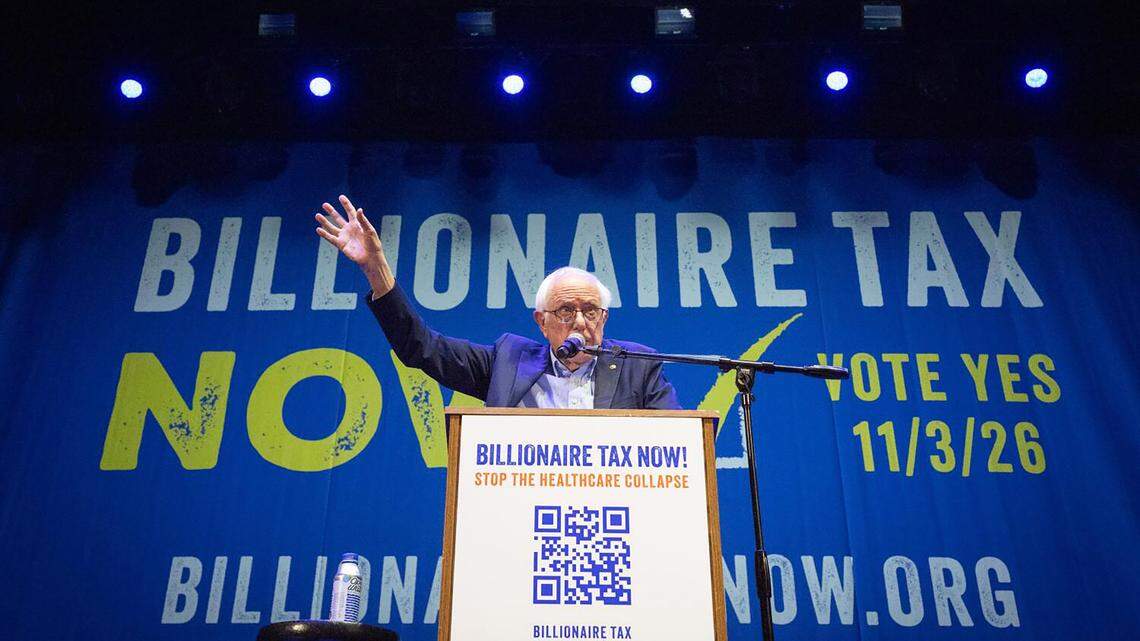
Early polling indicates support hovering around or slightly below 50 percent, with that support softening when voters hear arguments from both sides. The measure has drawn endorsements from U.S. Senator Bernie Sanders and U.S. Representative Ro Khanna, among others. Sanders argued that it should be common sense that billionaires pay slightly more so communities can preserve access to life-saving medical care.
Opposition
Governor Gavin Newsom and major business groups including the California Chamber of Commerce and the California Business Roundtable oppose the measure. Newsom has called it really damaging to the state, citing concerns that it would accelerate the departure of high-net-worth residents and harm California's economic competitiveness.
Tax experts have raised complex questions about how the state would actually value closely held companies, cryptocurrency, art, and other hard-to-price assets for a one-time net worth snapshot. The California Franchise Tax Board would be responsible for administering the tax but would receive only up to $15 million annually for administration costs, a fraction of what previous analyses have estimated would be needed to administer a wealth tax.
Legal and Constitutional Questions
Opponents are already questioning the initiative's constitutional legitimacy, and litigation is considered all but certain if voters approve it. The measure would amend the state constitution's limits on taxes on intangible property, and legal scholars have raised questions about whether it could survive judicial review. There are additional complications for former residents who left California after January 1, 2025, but before the tax is assessed, as the initiative includes look-back provisions that could apply to recent departees.
If enacted and upheld as constitutional, the measure could set a precedent for other states considering wealth taxes as a response to budget shortfalls. Several legal analyses have noted that the initiative's framing as a one-time excise tax rather than a recurring property tax is a deliberate constitutional strategy, though its success in court remains uncertain.