The Investigation
On March 26, 2026, the Trump administration escalated its pressure campaign against American universities by launching federal civil-rights investigations into admissions practices at three prominent medical schools: UC San Diego, Stanford University, and Ohio State University. The investigations were announced by Harmeet K. Dhillon, the Justice Department's assistant attorney general for civil rights, who posted about the effort on social media and sent formal letters to all three institutions. In each letter, Dhillon wrote that the investigation would focus on possible race discrimination in medical school admissions.
The letters demand that the universities hand over seven years of detailed applicant data by April 24, 2026. The information requested includes Medical College Admission Test scores, home ZIP codes, racial and ethnic identifiers, admissions decisions dating back to the incoming class of 2019, familial connections to alumni or donors, and internal communications about diversity, equity, and inclusion in the admissions process. The government also requested records of any communications about admissions policies between school officials and pharmaceutical companies. The schools were warned that failure to comply could jeopardize their federal research funding.
What It Means for UCSD
UCSD's School of Medicine ranks 14th among American medical schools in NIH grant funding, holding approximately $427 million in federal research dollars. In a statement, the university said it was reviewing the notice and reaffirmed its commitment to fair processes in all of its programs and activities, including admissions, consistent with federal and state anti-discrimination laws. Stanford and Ohio State issued similar statements indicating they would respond appropriately and that they comply with existing regulations.
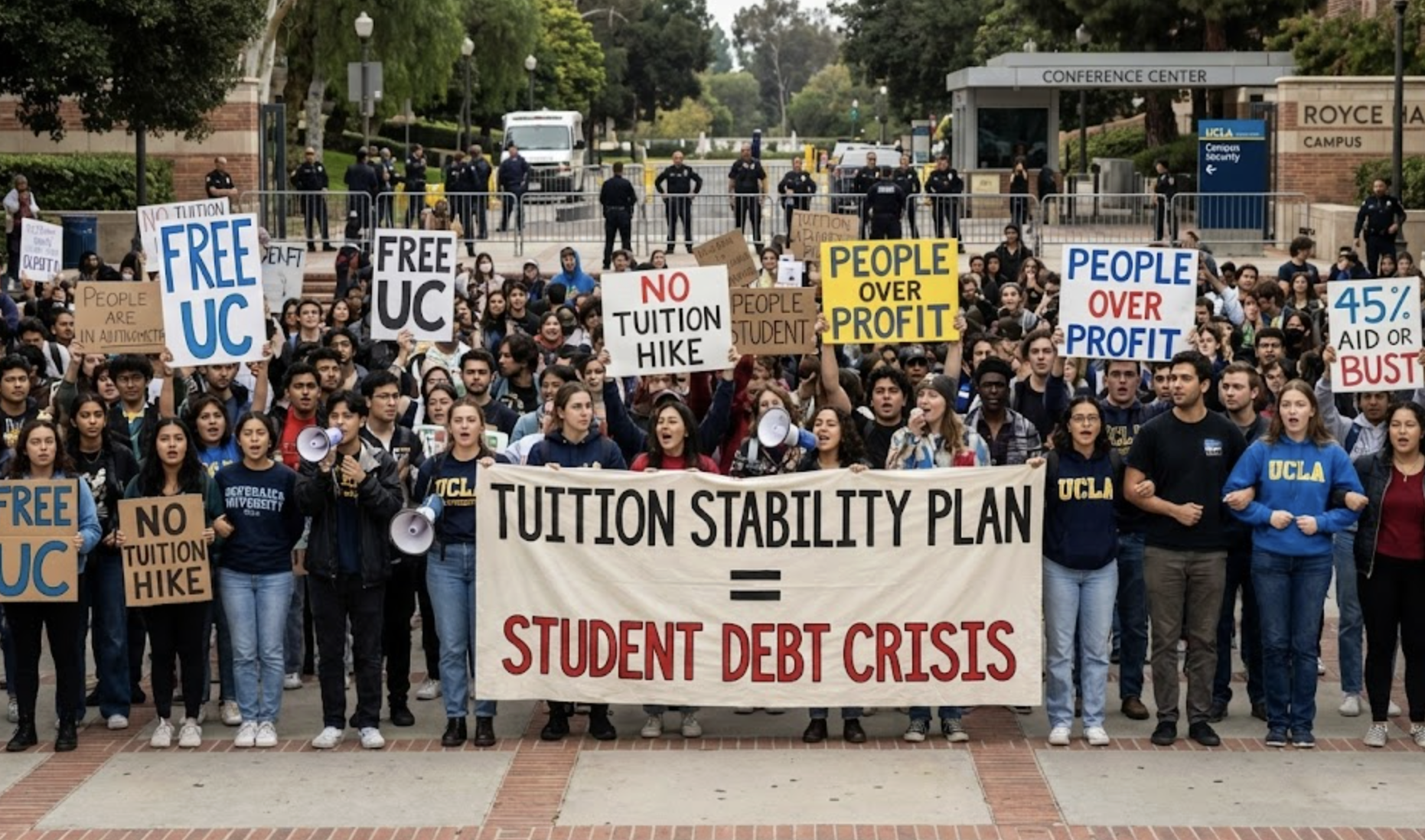
The investigations are widely viewed as the latest step in the Trump administration's broader campaign to reshape higher education. Since returning to office, the administration has opened numerous cases against universities, demanded admissions data to test compliance with the 2023 Supreme Court ruling that ended affirmative action, and used funding threats to force settlements involving changes to DEI programs, speech policies, and campus protest rules. The probes also mirror a separate case involving UCLA's David Geffen School of Medicine, where the administration moved to join a federal lawsuit alleging racially discriminatory admissions.
The Legal Landscape
A coalition of 17 Democratic state attorneys general, including California's, has already filed a lawsuit challenging the administration's policy of requiring colleges to collect and submit detailed admissions data. They argued that the depth of detail sought by the government posed a significant risk of identifying students and exposing sensitive information, including financial aid data. A federal judge in Massachusetts is weighing whether to block that requirement, with a decision expected by early April 2026.
Privacy concerns are particularly acute for medical schools because they admit relatively small classes, making it potentially easier to identify individual applicants from the data being demanded. The investigations raise significant questions about how far the federal government can push into professional school admissions, how universities are navigating compliance with the affirmative action ban, and whether the administration's approach represents legitimate civil-rights enforcement or an overreach of federal power into institutional autonomy.