Agenda and tone
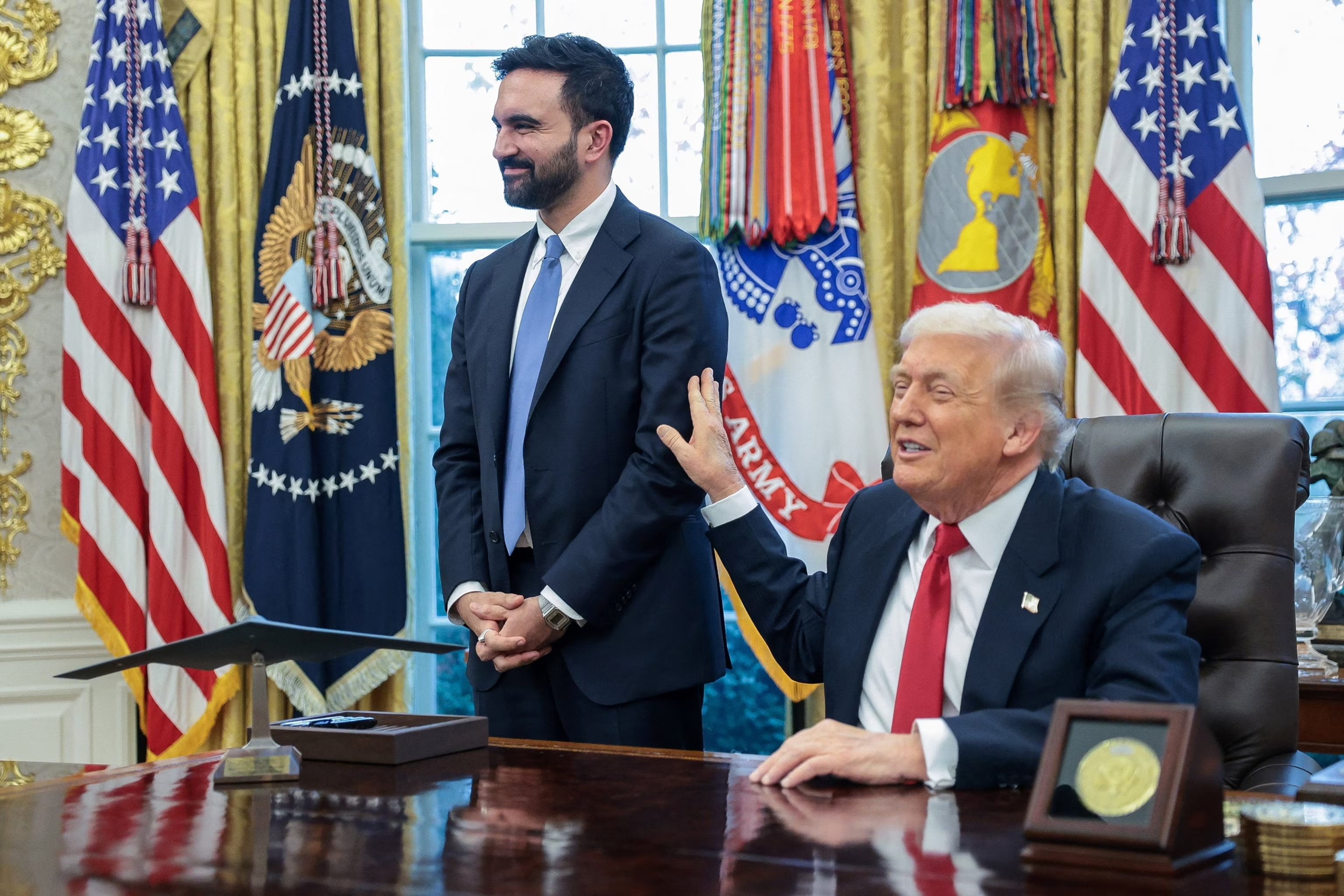
On Friday, November 21, 2025, President Donald Trump hosted New York City Mayor elect Zohran Mamdani at the White House for their first in person meeting since Mamdani’s election victory earlier in the month. The meeting took place in the Oval Office and followed a tense campaign season in which Trump had repeatedly criticized Mamdani and warned that a Mamdani victory could threaten federal funding for New York City.
Mamdani, a democratic socialist and the first Muslim mayor elect of New York City, won on a message centered on cost of living, public safety reform, and major changes to city governance. Given the political distance between the two men, observers viewed the encounter as a significant early test of their ability to cooperate.
Prior tensions
Officials from both sides reported that the meeting focused on three major topics: public safety, affordability pressures across the city, and the broader economic outlook for New Yorkers. According to Mamdani, he stressed that many New Yorkers have expressed deep frustration with rising costs. He said he told Trump that voters often describe groceries, child care and housing as the primary drivers of their financial stress. Trump reportedly agreed that affordability has become a dominant concern in New York and emphasized the importance of reducing regulatory and financial burdens on working families.
Trump told reporters afterward that he found unexpected common ground with Mamdani. He said that both men understood the urgency of stabilizing living costs and that they discussed specific obstacles that prevent federal and city programs from functioning effectively. Public safety also appeared prominently in the discussion. Both sides acknowledged that crime levels and street safety remain central to voter concerns. The two did not release detailed proposals, but officials described the conversation as a frank exchange about recent crime trends, policing practices, and the role of federal support programs.
Significance
The meeting marked a notable shift from campaign conflict toward cautious cooperation. Analysts noted that Trump’s public tone toward Mamdani was considerably more welcoming than it had been earlier in the year. For Mamdani, the meeting demonstrated a willingness to engage the federal government directly despite significant ideological distance. The most important outcome may be the establishment of a working relationship that allows both administrations to negotiate on public safety funding, housing programs, and the city’s strained infrastructure systems. The conversation suggested that both sides see political value in addressing the cost of living problem through coordinated efforts, even if they disagree sharply on broader political philosophy.
What comes next
Mamdani will take office on January 1, 2026. His transition team will continue to meet with federal officials to review existing federal city partnerships, including housing grants, transportation funding and emergency management programs.
The Trump administration is expected to monitor how Mamdani governs in his first months before making long term commitments. Political analysts will watch closely to see whether federal funding levels remain stable or whether Trump revives earlier threats if disagreements intensify. For now, the meeting stands as an early demonstration of how two political opponents can attempt to find limited common ground while maintaining clear and public differences.