
The Study
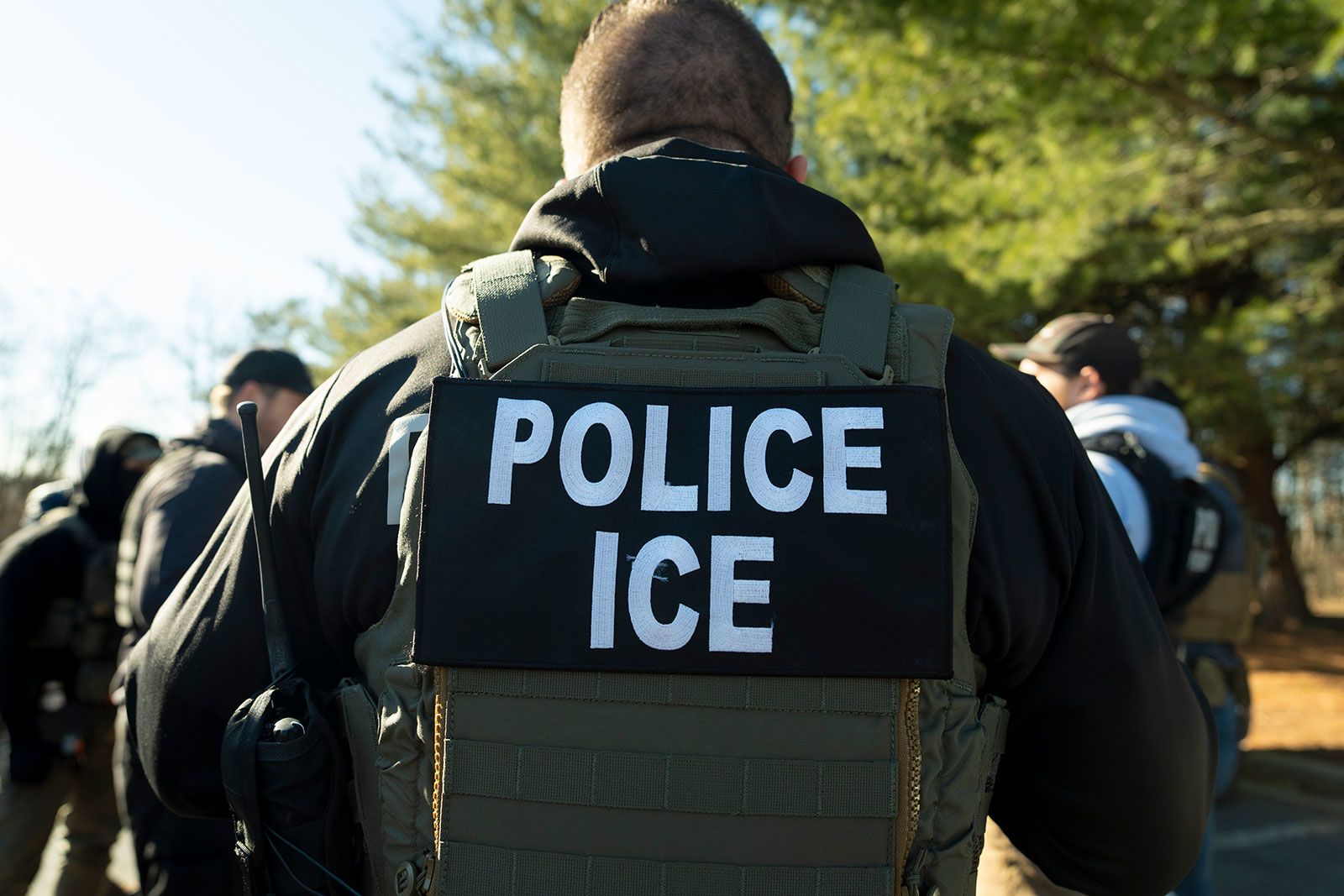
UC San Diego's U.S. Immigration Policy Center released a major study in late March 2026 documenting the broad consequences of Operation Metro Surge, the unprecedented federal immigration enforcement operation that deployed between 3,000 and 4,000 ICE and Border Patrol agents to the Minneapolis-St. Paul metropolitan area beginning in December 2025. The study, authored by center director Tom Wong, an associate professor of political science at UCSD, represents the first systematic survey of the operation's impact on Twin Cities residents.
The research was based on two surveys conducted between February 17 and March 6, 2026, collecting responses from 728 Minneapolis residents and 662 St. Paul residents, with margins of error of 3.6 percent and 3.8 percent respectively. The samples were weighted to represent the adult populations of both cities.
Operation Metro Surge was announced by the Department of Homeland Security in December 2025 and expanded in January 2026 into what DHS called the largest immigration enforcement operation ever carried out. The operation drew national attention after ICE agents fatally shot two U.S. citizens, Renee Good on January 7 and Alex Pretti on January 24, triggering large-scale protests. A federal judge found that ICE violated at least 96 court orders in Minnesota since January 1, 2026, and another judge noted that the overwhelming majority of cases brought to him by ICE involved people lawfully present in the United States.
Encounters and Use of Force
The survey findings reveal widespread contact between residents and federal agents. In Minneapolis, 28.3 percent of adults reported at least one interaction with ICE or Border Patrol, while in St. Paul, the figure was 19.2 percent. Among those who reported interactions, 22.9 percent in Minneapolis and 13.9 percent in St. Paul said they were physically assaulted. Another 25.7 percent in Minneapolis and 17.7 percent in St. Paul reported that pepper spray, tear gas, or another chemical agent was used against them. Wong noted that the data suggest federal agents frequently engaged in broad, non-targeted stops of residents, despite the operation being described as focused on the worst offenders.
Economic and Social Costs
The economic toll was substantial. Operation Metro Surge resulted in an estimated $189.2 million in lost wages in Minneapolis and $54.6 million in St. Paul. Among those in the workforce, 35.7 percent in Minneapolis and 20.5 percent in St. Paul said they missed work because of the operation. Many of those who missed work were U.S. citizens or legal residents whose workplaces were disrupted by the enforcement activity.
The study also documented serious effects on education and healthcare. Among parents or guardians with children in public K-12 schools, 53.3 percent in Minneapolis and 45.1 percent in St. Paul said they kept a child home from school out of fear. Among those who needed urgent or hospital care, 39.9 percent in Minneapolis and 30.6 percent in St. Paul said they stayed home instead of seeking treatment.
Trust in Law Enforcement
Perhaps most concerning for long-term public safety, majorities in both cities reported decreased trust in law enforcement: 57.1 percent in Minneapolis and 58.3 percent in St. Paul said they now have less trust. About 40 percent of respondents said they are now less likely to seek help from law enforcement going forward. Wong said having fewer people call 911 to report crimes could have serious negative public safety consequences in the Twin Cities.
Wong noted that the findings have implications beyond Minnesota. Several other cities and states have expressed concern about facing similar large-scale enforcement actions, and Wong said the study can help communities prepare for and limit the negative impacts of such operations.